|
home |
about us |
training |
team building
|
coaching
|
health and safety
|
business |
clients
|
blog |
 |
Team Building from JamBerry Ltd |
 |
|
Talk to us free on:
0800 840 2418
or call 01424 576417
 |
overview |
cooking |
music |
theatre |
development |
See our other
Training
options |
Experiential Corporate Team
Building Activities
Looking for some new team building
ideas and activities? JamBerry offer theatre, cooking, music,
digital treasure hunts and a
host of other activities. Build your employee engagement by exploring communications or
developing storytelling. Ideal for getting to know you, for energisers, ice breakers or longer team events.
Why JamBerry?
Because we fully understand the needs of modern business as well as
the best methods of delivering effective training. We adopt a highly
interactive style to ensure that all attendees are active
participants and ensure that every aspect of our training is
relevant, realistic and practical.
Find us on:
Facebook
Twitter
Google+
Youtube
Location
Based in Sussex, we organise team events, activities and days across the UK and Europe and
particularly in East and West Sussex, London, Kent, and Hampshire.
We can help you to find suitable venues, from conference suites to
theatres. Tell us the objectives for your event, the number of
people and the length of time you have allocated and any budget
restrictions and we will create a suitable event for you.

|
Using Experiential
Team Building Activities
to Develop High Performing Teams
|
Find out more...
You can:
T:
0800 840 2418
or 01424 576417
or fill in the
enquiry
form.
At JamBerry we tailor our courses to suit you. If you are interested in finding out more about the services
that we can offer please either contact us directly to find out
more.
|
|
The success of every organisation depends on the effectiveness of
teamwork. While we wouldn't think twice about monitoring sales,
production or customer satisfaction, we are less inclined to analyse
how well we operate as a team. Yet, the way in which we set goals,
communicate, plan tasks, cooperate, and solve problems are all
reflected in our ability to work as a team.
Our team building activities are great for a wide variety of teams,
from sales teams to finance teams and more.
Check out the options below and find out more by clicking on the
links.
You
can call us now on
0800 840 2418, email us
info@jamberry.co.uk
(telling us which type of event you are interested in) or fill in the
enquiry form. Tell us what you are looking to achieve, whether it is for "getting
to know you" or "exploring change" or other issue.
Let us know if you
want a theme and we will do the rest. Why not ask about our bespoke and
deluxe
versions?
|

Theatre and Drama
|
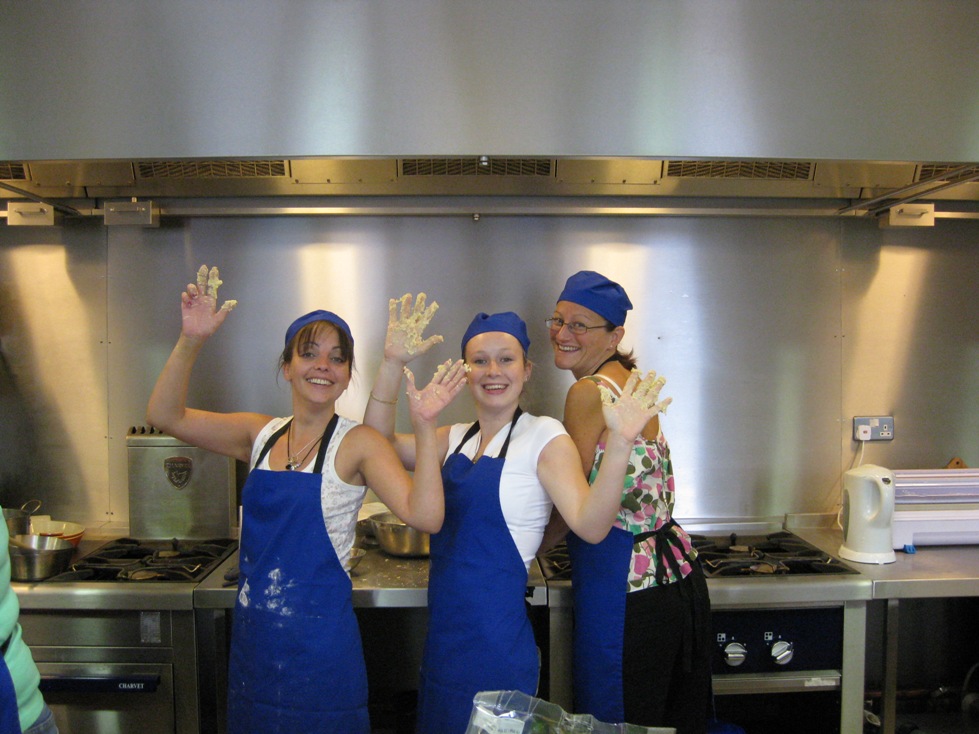
Cooking
|
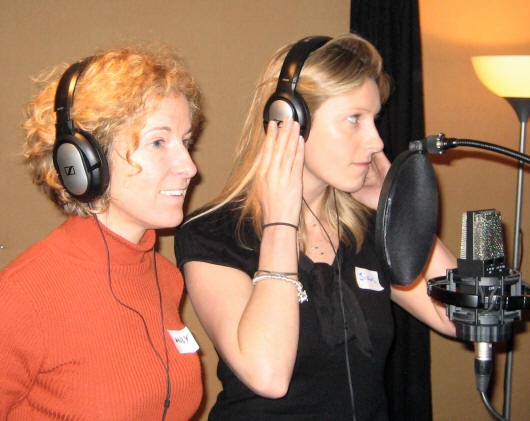
Music
|

Team Storytelling
|
Where's the theory?
For clients who want a
little more meat to the day, we can back it up with good solid
theory about teamwork. Our
Leadership and Team Development Workshops might include the 4 stages of team development: forming,
storming, norming and performing. We can also add team and
individual analysis through tools such as PRISM, Myers Briggs Type
Indicator (MBTI) and Management Teams Relations Indicator (MTRI) and others. This means that these workshops
can be very versatile, meeting a wide range of needs from team
members to team leaders. |
|
|
"My team is growing, changing or simply looking for an event that
will allow them to spend time together..."
"I'm looking for
Team Building
activities that are great for
team bonding and team development, or an ice breaker or energiser
for my conferences..."
"We are looking for a team building day
which is fun and
memorable and works with our employee engagement plans..."
|

Cartoons,
Puppets and Animation
Ask for more info
|
Indoor Olympics
Ask for more info
|
Reveal
hidden talents and skills
Our
experienced trainers can then highlight how the group operates
while the team makes a camp, a culinary experience or creates their
very own drama production with the help of professional actors This
naturally triggers discussion on how the group is interacting in a
"real"
setting and what is needed to help the group progress. This
provides a valuable opportunity to identify crucial skills, learn
about the group and take that knowledge back to the workplace.
|
Location
Based in East Sussex, near Eastbourne and Brighton, we can provide Team Building events across
the UK and in Europe. We create team activities for corporate and public
sector clients on a regular basis.
Time to celebrate?
Our team building activities are flexible and can be used not only
for team bonding and building but also as a
celebration
experience, or as
team ice breakers. We can also run
team building workshops over the
weekends if required.
To find out more call us now on 0800 840 2418 or 01424 576517 and
ask for Teambuilding information pack, or email
info@jamberry.co.uk
|
|
|
training home
:
training workshops :
team building :
coaching
:
h&s :
business :
JamBerry
JamBerry Ltd,
9 St Peter's Crescent, Bexhill-on-Sea, East Sussex
TN40 2EH Tel: 0800 840 2418
info@jamberry.co.uk
|